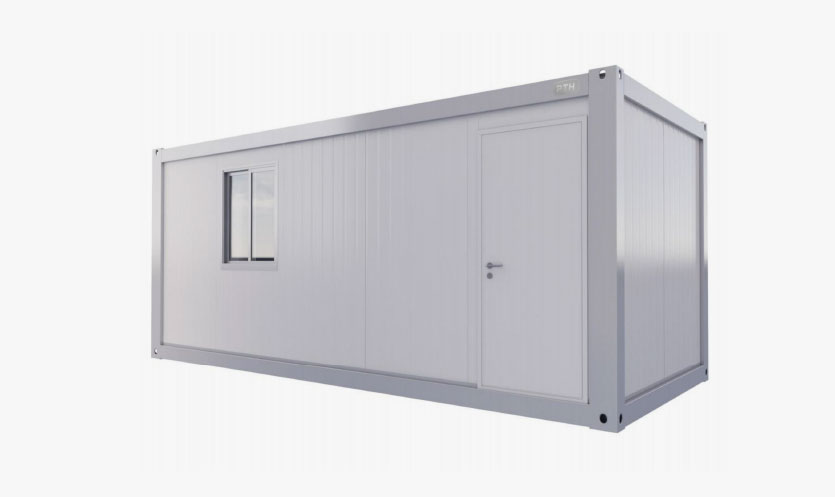
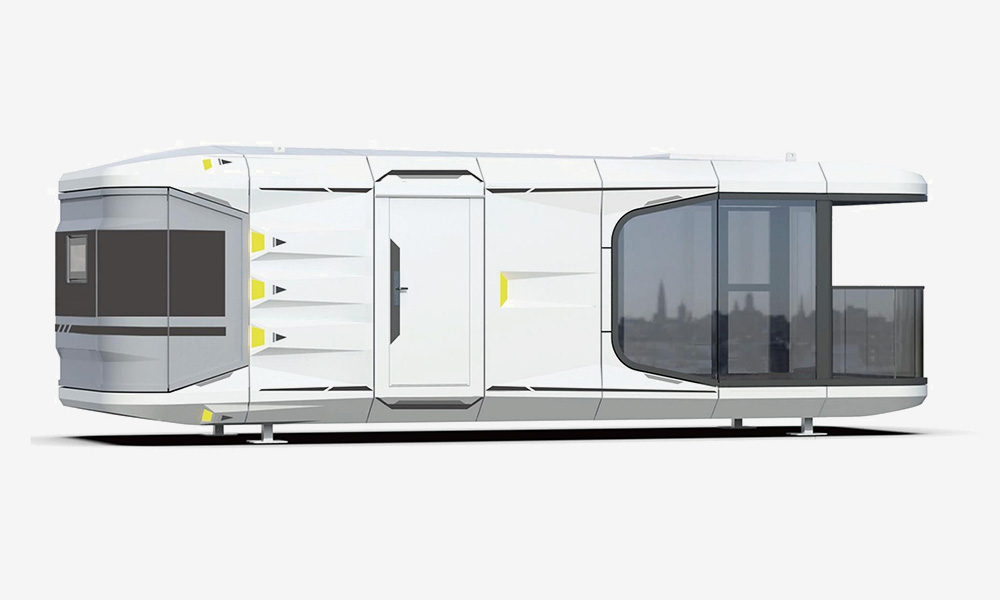
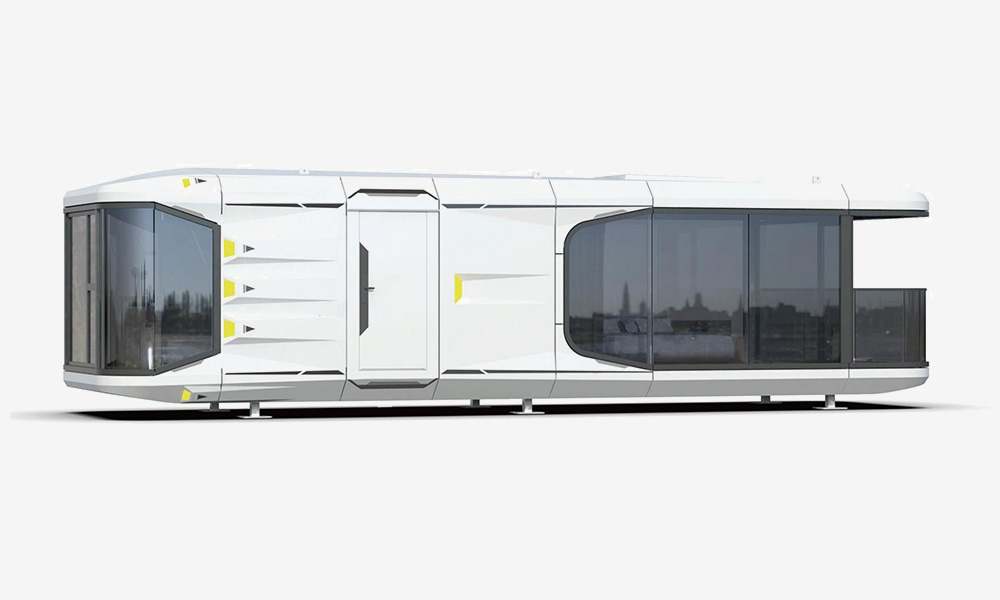
Homes Prefab Houses offer a smarter, faster, and more sustainable way to own a modern home. Designed with precision engineering and high-quality materials, each prefab house is built off-site in a controlled environment, ensuring superior craftsmanship, reduced waste, and consistent results. Once complete, the home is efficiently transported and assembled on your property, dramatically shortening construction time compared to traditional builds.
Our prefab houses combine contemporary design with practical living. Choose from flexible floor plans, energy-efficient insulation, and customizable finishes to match your lifestyle and budget. Whether you’re looking for a compact starter home, a vacation retreat, or a spacious family residence, Homes Prefab Houses deliver comfort, durability, and style.
Prefabricated (prefab) houses — also called modular, system-built, or factory-built homes — are residential buildings whose major components (modules, panels, or systems) are manufactured in a controlled factory environment and then transported to a site for rapid assembly and finish. Because construction moves much of the work offsite, prefab houses deliver shorter schedules, tighter quality control, less waste, and high repeatability compared with fully site-built homes.
Product features & typical uses
Core product features
- Factory-controlled construction: Walls, floors, roof sections, or fully finished modules are produced under quality-controlled conditions (climate, jigs, QA checks). This reduces exposure to weather delays and material degradation.
- Fast on-site assembly: Modules or panels are craned into place and connected; final fit-out and utilities tie-ins are completed on site, often cutting total project time by 30–60% versus conventional builds.
- Design flexibility: From tiny houses and ADUs to multi-bedroom family homes and multi-unit buildings — prefab systems support a wide range of architectural styles and finishes.
- Quality, repeatability and testing: Factory QA, standardized joints and tested MEP (mechanical/electrical/plumbing) assemblies improve predictability and reduce callbacks.
- Sustainability and waste reduction: Offsite cutting and standardized material use reduce scrap; some manufacturers optimize for energy performance and material recyclability.
Common uses
- Primary residences and second homes
- Accessory dwelling units (ADUs) and backyard cottages
- Workforce, student, or temporary housing (site trailers upgraded to habitable standards)
- Vacation cabins and tiny-home communities
- Rapid emergency, disaster-relief shelters and temporary medical facilities
- Multi-unit apartment buildings and hospitality modules assembled into larger complexes.
Product characteristics (materials, construction types)
Construction systems (major types):
- Volumetric modular (modules): Complete rooms or boxes built offsite, transported and joined on-site (fastest assembly, high finish level).
- Panelized systems: Wall, roof and floor panels manufactured flat and assembled on site—offers flexibility and efficient shipping.
- Hybrid systems: Combine panelized shells with modular boxed bathrooms/kitchens to speed build and retain on-site adaptability.
Common materials & components
- Structural: Steel frames, light-gauge steel, engineered timber, or conventional stick framing depending on design and local codes.
- Envelope panels: Sandwich panels (cement board or fiberboard outside + rigid foam insulation + interior panel) or stud wall panels with cavity insulation. Example: cement board / EPS sandwich panels used by some manufacturers for quick assembly and weather resistance.
- Roofs & finishes: Prefab roofs range from finished trusses with membrane and shingles to metal roofing systems delivered as kits. Windows and doors are factory-installed to minimize on-site work.
- MEP systems: Factory-prewired electrical runs, preplumbed bathrooms/kitchens and preinstalled HVAC components shorten commissioning time.
Product specifications & typical parameters
Specifications vary widely by manufacturer and model. below are typical parameters to expect and verify with any supplier:
Structural & site design
- Unit types: Single-module studios → multi-module 2–4+ bedroom houses.
- Span and module size: Module dimensions are limited by transport constraints and crane reach; manufacturers will provide allowable module footprints and transport widths. (Confirm with supplier and local transport authorities.)
- Wind & snow design: Panels and frames are engineered to local wind loads and snow loads. Some manufacturers publish design values (e.g., snow loads and wind speed ratings) tailored to climate zones; always verify for your site.
Thermal & acoustic performance
- Insulation: Panelized systems often use rigid foam (EPS/XPS) or mineral wool with nominal R-values designed for local energy code compliance; higher-performance packages (high R walls, double glazed windows) are available.
- Air tightness: Factory joints and precision sealing typically yield better airtightness than site-built homes if properly sealed and installed.
Service & utilities
- Electrical: Prewired modules with breaker panels; final service connection and inspection on site.
- Plumbing: Preplumbed stacks and chases; connections to mains and sanitary on site.
Regulatory & code
- Prefab homes can be built to local building codes, HUD manufactured-home standards, or recognized modular standards; certification and permitting processes differ by region — supplier should document compliance path.
Product instructions (ordering, site prep, installation & maintenance)
1. Design & ordering
- Choose a floor plan or custom design with the manufacturer. Decide finish package (basic → premium), HVAC, electrical load, and site-specific options (porches, stair configurations).
2. Permits & approvals
- Obtain local building permits, utility approvals and any manufactured-home installation permits required by jurisdiction. Regulations for foundations, anchoring and flood zones must be followed — many manufacturers require proof of permits before delivery.
3. Site preparation
- Foundation: Could be full basement, slab, pier foundation, or pre-engineered support system depending on product type. The site must be graded, utilities stubbed to connection points, and crane access planned.
- Access & logistics: Ensure roads can handle oversized loads, and obtain permits for transport if necessary.
4. Delivery & installation
- Modules/panels are transported and craned into place. Critical steps: align modules, bolt/connect structural joints, connect plumbing/electrical/ducting, and finish external flashing and seals. Factory QA and on-site inspection close the loop.
5. Commissioning & handover
- Test HVAC, electrical, plumbing, and ensure building envelope seals. Acquire final inspections and occupancy certificate.
6. Maintenance
- Follow manufacturer guidance for exterior finishes, roof inspections, periodic HVAC servicing and any warranty requirements (many components carry separate warranties for windows/HVAC/structural elements).
Applicable industries & project types
Prefab houses are widely applicable across sectors:
- Residential development: Single-family homes, ADUs, multi-family buildings.
- Affordable/workforce housing: Faster production and reduced labor costs can accelerate delivery of affordable units.
- Hospitality & vacation rentals: Cabins, glamping pods, and modular hotel rooms.
- Education & senior living: Dorms, temporary classrooms, and care-facility wings built as modules.
- Emergency & institutional: Rapidly deployable medical units, shelters, or field support facilities. Recent product offerings on retail platforms highlight portable prefab units used for temporary hospitals and camp housing.
- Commercial & retail: Pop-up shops, kiosks, site offices with durable finishes.
Target customer groups
Primary buyers
- Homebuyers seeking speed and certainty: People who want a high-quality custom home faster than traditional build timelines.
- Developers and builders: Seeking predictability, lower on-site labor and quicker turnarounds for multi-unit or neighborhood projects.
- Municipalities & nonprofits: Agencies procuring affordable or emergency housing where speed and repeatability matter.
- Landowners adding ADUs or second units: For rental income or multigenerational living—ADUs are a frequent prefab application.
- Commercial operators: Resorts, camp operators, educational institutions and healthcare providers that need standardized repeatable units.
Secondary audiences
- DIY tiny-home enthusiasts, remote work or home-office buyers, and investors adding turnkey rental units to a portfolio.
How to evaluate a prefab-home supplier (quick checklist)
- Proven track record & references: Completed projects in your climate and permit jurisdiction.
- Engineering & code compliance documentation: Seismic, wind, snow design values and certificate path for local permits.
- Factory QA process & warranties: Documented QA steps, delivery protocols and warranty terms.
- Scope clarity: What’s included (foundation, sitework, utility tie-ins, interior finishes) and what’s extra.
- Logistics & site planning support: Does the supplier help with transport permits, crane scheduling and site coordination?
Prefab houses are a mature and flexible segment of modern construction that trades traditional on-site unpredictability for factory control, faster schedules, and repeatable quality. They suit a wide range of market needs — from custom family homes and ADUs to multi-unit affordable housing and rapid-deployment facilities. When evaluating products, focus on code compliance, site preparation requirements, the factory’s QA practices, and clear scope of work to ensure a smooth delivery and long, low-maintenance service life.
Contact Us
We’d love to hear from you! Whether you have questions about our products, need assistance with your order, or simply want to share feedback, our team is here to help.
Address: No. 5888, Wuyuan Road, Wuyuan Street, Haiyan County, Jiaxing, Zhejiang
Phone: +86-0573-86598806
Email: sales@fsilon.com
Website: Homes Prefab Houses Manufacturer
Or simply fill out our contact form on the website, and we’ll get back to you within 24 hours.