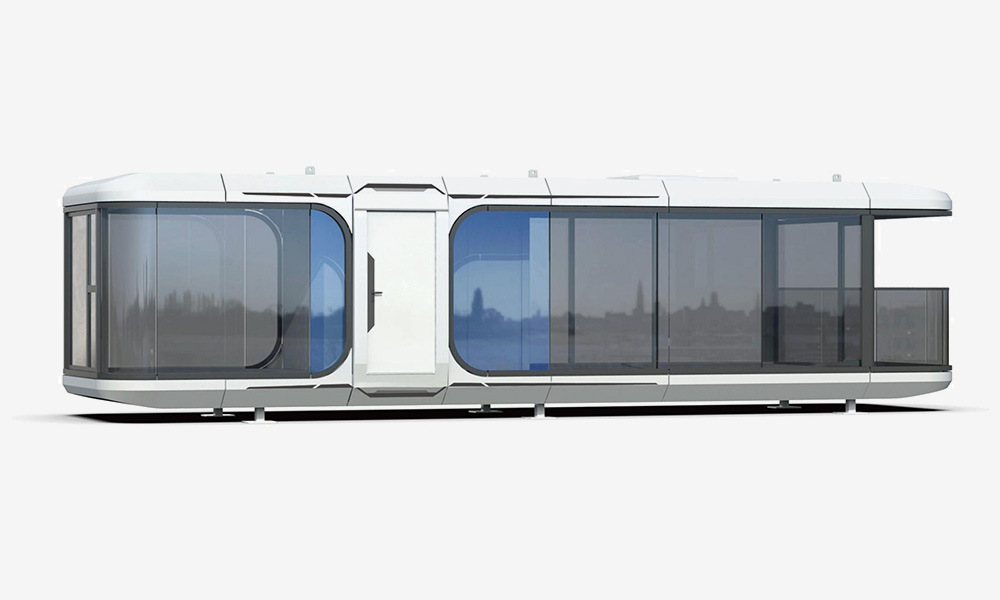
With the global construction industry moving toward higher efficiency, sustainability, and smarter building solutions, prefabricated steel structures are becoming an increasingly popular choice for modern construction projects. Unlike traditional on-site construction methods, prefabricated steel structures are manufactured in a controlled factory environment, where major structural components are produced in advance and then transported to the construction site for rapid assembly. This process improves construction efficiency while ensuring consistent quality.
A prefabricated steel structure typically uses a high-strength steel frame as the main load-bearing system, combined with wall panels, roofing systems, insulation materials, and interior components to create a complete building solution. Due to the excellent strength, stability, and recyclability of steel, these structures are widely used in residential buildings, commercial spaces, industrial facilities, and temporary structures.
Compared with traditional construction methods, prefabricated steel structures reduce on-site fabrication work, allowing projects to be completed faster while lowering material waste and labor costs.
One of the biggest advantages of prefabricated steel structures is their high installation efficiency. Steel frames and related components are usually manufactured in factories, labeled according to design requirements, and prepared for assembly before being delivered to the construction site.
This construction method is especially suitable for projects in the European and American markets where shorter building schedules are required, such as commercial buildings, vacation homes, temporary housing, and industrial facilities. Factory prefabrication reduces on-site construction time and minimizes delays caused by weather conditions.
Steel has an excellent strength-to-weight ratio, allowing prefabricated steel structures to provide reliable structural support while maintaining a relatively lightweight design.
Buildings using high-strength steel frames generally offer excellent:
Therefore, prefabricated steel structures are suitable not only for standard residential projects but also for areas with strong winds, heavy snowfall, or challenging environmental conditions.
Modern prefabricated steel structures place increasing importance on environmental performance. Since major components are precisely manufactured in factories, construction waste can be reduced, and material efficiency can be improved.
In addition, steel has a high recycling value. When combined with insulated wall panels, energy-efficient windows, and other green building systems, steel structures can help reduce energy consumption and improve long-term building performance.
◆ Green Building Focus: For customers in Europe and North America, sustainable construction and low-carbon building solutions have become important purchasing factors, making prefabricated steel structures an attractive option for green building projects.
Unlike traditional fixed construction methods, prefabricated steel structures offer excellent design flexibility and can be customized according to different project requirements.
This flexibility allows prefabricated steel structures to meet the needs of residential developers, construction contractors, and commercial customers.
Prefabricated steel homes are becoming increasingly popular in European and North American markets. Compared with traditional brick or timber houses, steel structure homes provide better stability and shorter construction periods.
Common applications include:
Steel framing also allows more flexible interior layouts, meeting modern homeowners' needs for customized living spaces.
For industrial companies and logistics businesses, prefabricated steel buildings provide an efficient construction solution.
Common applications include:
Steel structures can create large open-span spaces with fewer interior support columns, improving space utilization and operational efficiency.
Prefabricated steel structures are also widely used for:
Their modular design allows buildings to be deployed quickly, making them ideal for projects that require fast completion and immediate use.
Different projects have different structural requirements. For example, industrial buildings, warehouses, residential homes, and commercial facilities vary in terms of load capacity, space layout, and insulation needs.
Before purchasing a prefabricated steel structure, customers should determine key factors such as:
This information helps suppliers provide a more accurate design solution.
High-quality prefabricated steel structures are manufactured using reliable steel materials and undergo strict processing and corrosion protection procedures.
For customers in Europe and North America, it is also important to confirm whether the structure meets local building requirements, including:
A well-designed steel structure ensures better performance, durability, and long-term reliability.
Choosing a reliable supplier is essential for the success of a prefabricated steel structure project.
A professional manufacturer should have:
It is also important to check whether the supplier provides installation guidance, technical support, and after-sales service.
The total cost of a prefabricated steel structure includes more than the initial purchase price. Customers should also consider:
A high-quality solution may require a higher initial investment, but it can reduce long-term maintenance costs and provide greater overall value.
Final consideration: By considering building requirements, material quality, supplier capability, and long-term costs, customers can select the most suitable prefabricated steel structure solution for their projects.