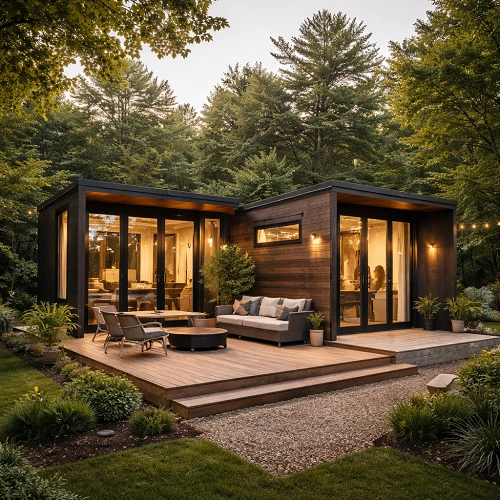
The concept of Tiny House Modular Homes is rooted in a vision of efficiency, sustainability, and simplicity. The idea began taking shape in the mid-20th century, as modular construction methods gained traction in response to growing housing demands. Early modular homes were primarily functional—simple, prefab structures designed to provide affordable housing quickly. They lacked the design sophistication and customization that modern homeowners expect.
The real evolution of tiny houses began in the early 2000s, influenced by the growing minimalist movement and rising housing costs in urban areas. Designers and builders began experimenting with compact living spaces that maximized functionality without sacrificing comfort. Around this time, modular construction techniques were applied to tiny homes, combining the benefits of prefabrication—speed, precision, and cost-effectiveness—with innovative interior layouts optimized for small-footprint living.
Significant milestones in the development of Tiny House Modular Homes include:
- 2001–2010: The tiny house movement gained cultural momentum, with increased media coverage highlighting the benefits of downsized living. Builders experimented with modular approaches to standardize quality and reduce on-site construction time.
- 2011–2015: Regulatory frameworks in certain regions were adjusted to accommodate tiny homes, allowing them to be used as permanent residences. Modular construction methods became more sophisticated, incorporating high-quality materials, energy-efficient systems, and flexible design templates.
- 2016–Present: Tiny House Modular Homes have evolved into highly customizable, technologically advanced living solutions. Manufacturers now integrate sustainable materials, solar energy options, smart home technologies, and multifunctional furniture, offering modern homeowners the perfect balance of minimalism, comfort, and style.
Tiny House Modular Homes are recognized not only for their space efficiency but also for their adaptability to diverse lifestyles, from permanent residences to vacation homes and mobile living solutions.
The Current State of Tiny House Modular Homes
Modern Tiny House Modular Homes represent the culmination of decades of innovation in design, engineering, and sustainable living. Each home is carefully crafted to optimize every square foot while maintaining the quality, safety, and aesthetic appeal of traditional housing.
Features
- Compact, Efficient Design: Every element of a tiny home is purposefully designed. Open-concept layouts, multi-functional furniture, and clever storage solutions allow residents to enjoy the comfort of a full-sized home within a smaller footprint.
- High-Quality Construction: Modular construction ensures precision, structural integrity, and faster build times. Homes are assembled in controlled factory environments, reducing waste and guaranteeing consistent quality.
- Sustainability: Many tiny homes include eco-friendly materials, energy-efficient insulation, LED lighting, low-flow plumbing, and optional solar panels. These features reduce the environmental impact while lowering utility costs.
- Customization Options: Customers can choose from a variety of floor plans, exterior finishes, and interior layouts. Options may include lofted sleeping areas, fold-out furniture, compact kitchens, and advanced HVAC systems.
Specifications and Parameters
- Size Range: Typically 150–400 square feet, with some designs expandable via modular add-ons.
- Dimensions: Standard widths are 8–10 feet to comply with road transport regulations, with lengths varying based on design preferences.
- Foundation Options: Tiny homes can be built on trailers for mobility or on permanent foundations for stationary use.
- Utilities: Full plumbing, electrical wiring, and HVAC systems are standard, with optional off-grid solutions available.
- Materials: Sustainable woods, steel framing, insulated panels, and weather-resistant cladding ensure durability and low maintenance.
- Technological Integration: Modern homes often include smart thermostats, lighting, security systems, and energy-monitoring devices.
In essence, Tiny House Modular Homes today are a sophisticated marriage of practicality and style. They provide a flexible, eco-conscious lifestyle without compromising on comfort, quality, or design. Whether for urban living, vacation retreats, or off-grid adventures, these homes redefine what it means to live efficiently and beautifully.