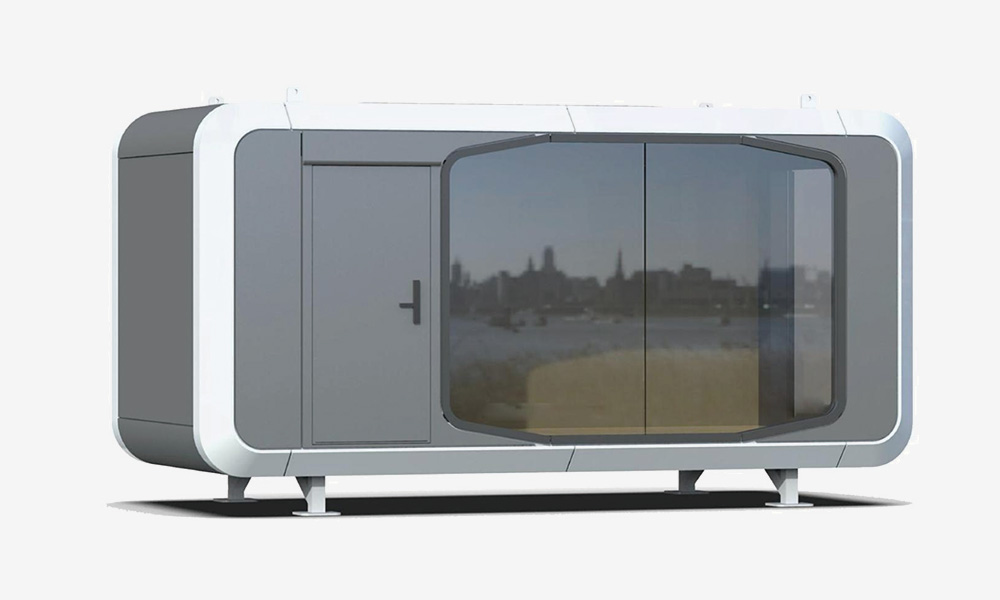
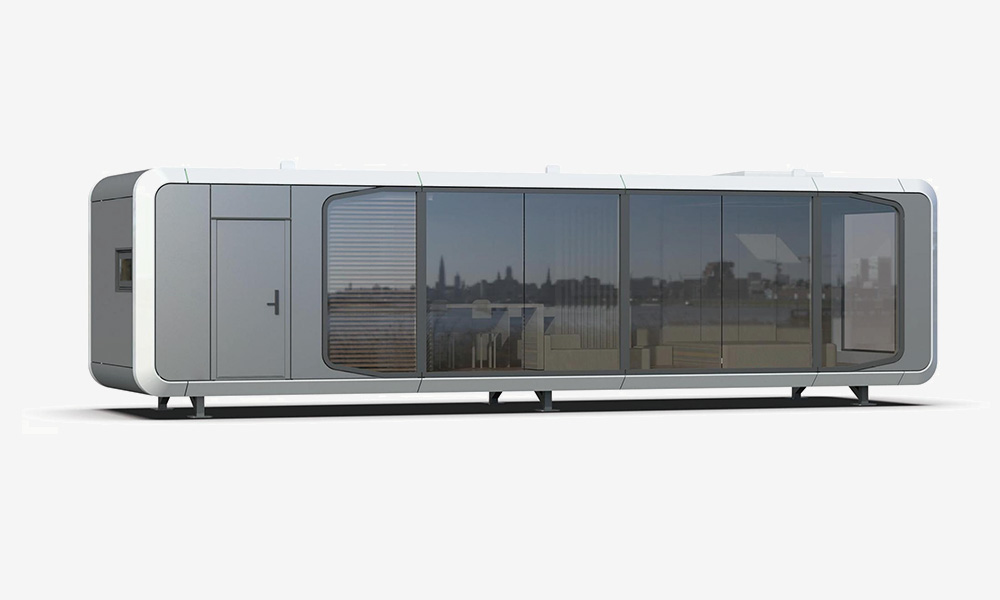
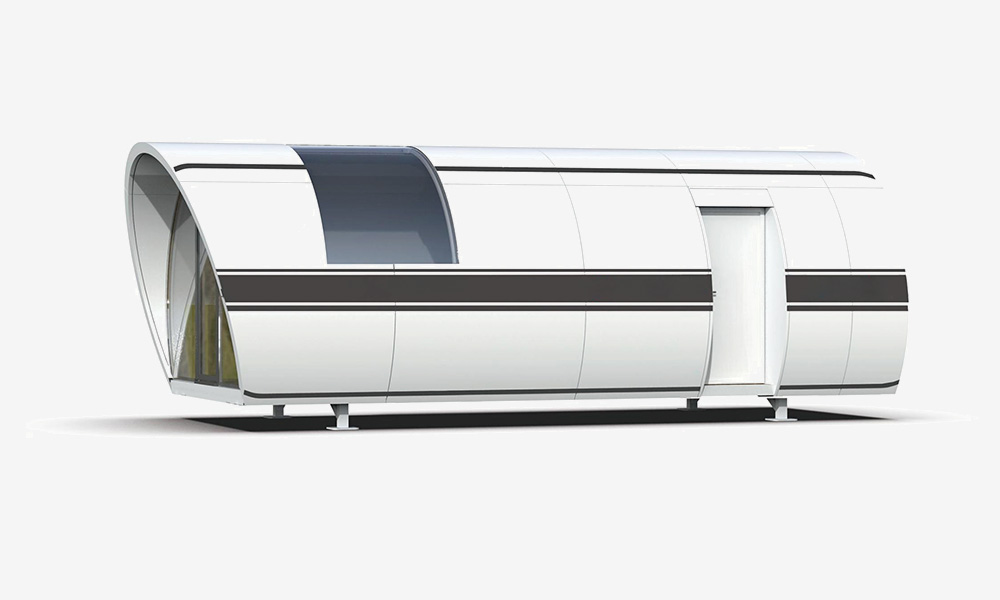
Meet the smarter way to add space, value, and flexibility to your property with a Prefab ADU. Designed for modern living, our Prefab ADUs combine efficient construction with high-end finishes, delivering a turnkey solution without the delays and surprises of traditional builds. Each unit is precision-engineered off-site, ensuring consistent quality, reduced waste, and faster installation on your property.
Whether you need a rental unit, guest house, home office, or multigenerational living space, a Prefab ADU adapts to your lifestyle. Thoughtful layouts maximize natural light, storage, and comfort, while energy-efficient materials help lower long-term utility costs. From permitting support to final placement, the process is streamlined and stress-free.
A Prefab ADU (prefabricated accessory dwelling unit) is a factory-built, transportable small dwelling—usually an independent living unit placed on the same lot as a single-family home. Prefab ADUs combine home-like comfort with faster build times, predictable quality, and a smaller site footprint than a conventional stick-built addition.
1. What a Prefab ADU is and common uses
A prefab ADU is a self-contained living unit manufactured off-site in modules or as a complete pod and delivered to the property for final assembly or siting.
Typical uses:
- Rental unit: long-term or short-term (Airbnb-style) income.
- Multigenerational housing: in-law suites, adult children, caregivers.
- Home office / studio: private workspace, creative studio, music room.
- Guest house: temporary visitor accommodation.
- Aging-in-place: barrier-free units for seniors with mobility needs.
- Workforce or campus housing: employer-subsidized residences, dorm-style clusters.
- Emergency / temporary housing: rapid-deploy shelter in disaster recovery.
2. Product features & benefits
Core features
- Factory-quality construction: controlled environment reduces weather delays and inconsistencies.
- Modular or monolithic options: shipped as one unit (pod) or as multiple modules that are assembled on-site.
- Turnkey or shell options: finished interiors, or delivered with utilities stubbed for on-site finish.
- Integrated systems: pre-routed plumbing, electrical, HVAC, and sometimes smart-home wiring.
- Customization: floor plans, finishes, appliances, and accessibility modifications.
- Energy efficiency: high-performance insulation, double/low-E glazing, efficient HVAC and appliances.
- Rapid delivery & install: weeks-to-months instead of many months for traditional build.
- Lower waste & better QA: repetitive, inspected processes in the factory.
Benefits
- Predictable schedule and cost (fewer unknowns).
- Less disruption to yard/site than a stick-built addition.
- Easier permitting in many jurisdictions (but check local rules).
- Scalable — multiple units can form micro-neighborhoods for housing projects.
3. Product characteristics & materials
Structure
- Steel frame or wood platform/frame depending on manufacturer and seismic/wind requirements.
- Roof: standing seam metal, asphalt shingle, or membrane (flat/low-slope).
- Exterior cladding: fiber cement, wood siding, metal panels, or engineered composite.
- Floor system: engineered subfloor (OSB, plywood) on insulated joists or structural decking.
Thermal & acoustic
- Insulation: typical R-values range (walls R-13 to R-23; roof R-30 to R-49; floor R-13+), can be upgraded to meet passive or near-passive standards.
- Windows: double-pane as standard; triple-pane optional; low-E coatings.
- Sound control: staggered studs, decoupled wall assemblies, acoustic underlayment options.
Interior
- Finished drywall or panel systems, built-in cabinetry, compact kitchens, wet-room or full bathroom with pre-plumbed fixtures.
- Durable finishes targeted to use-case (residential-grade or heavy-duty for rental/office).
- Flooring: vinyl plank, engineered hardwood, tile at wet areas.
Mechanical & electrical
- Pre-wired electrical panels sized for unit (typical 100A–150A for larger ADUs; smaller units may be 60A–100A).
- HVAC: minisplit heat pump systems are common (efficient, minimal ductwork). Ducted options available.
- Water heating: tankless or small tank; options for heat-pump water heaters or combi systems.
- Optional solar-ready roof or integrated PV + battery systems.
Utilities & connections
- Plumbed for potable water, greywater routing options, sewer/septic or composting toilets where permitted.
- Gas options available (natural gas or propane) but electric all-in options more future-proof.
- Telecom: pre-terminated data/TV lines and conduit for fiber.
4. Typical specifications & parameters
Below are generalized parameters—actual numbers vary by model and local code.
Footprint / sizes
- Micro: 120–300 sq ft (tiny studio).
- Small: 300–600 sq ft (1BR or studio).
- Medium: 600–900 sq ft (1–2BR).
- Large: 900–1,200+ sq ft (2BR with full amenities).
Ceiling height
- Standard: 8'–9'. Upgraded: 9'–11' in living areas or vaulted options.
Wall thickness
- Standard: 5"–7" (including framing + insulation); high-performance assemblies 8"–12".
Window U-values
- Double-pane: 0.28–0.35 (approx); triple-pane can be 0.15–0.25.
Thermal performance
- Basic thermal compliance to local energy code; upgradeable to R-20+ walls and R-40+ roofs.
Electrical
- Main breaker commonly 60A–150A; GFCI-protected circuits for wet areas; LED lighting standard.
HVAC capacity
- Minisplit zones sized by BTU/ton to match square footage and insulation: typical 9k–24k BTU per zone.
Transport & craning
- Module widths often max ~12–16 ft for road transport; length varies—permit dependent. Craning capacities depend on module weight.
5. Installation & usage instructions (step-by-step overview)
Pre-purchase & planning
- Verify local codes & covenants: zoning setbacks, ADU size/density, parking rules, utility tie-in requirements, septic ordinances. Apply for required permits (building, electrical, plumbing).
- Site assessment: soil, access for truck/crane, utility locations, grade, drainage, and tree/neighbor impact.
- Select model/specs: pick floor plan, finishes, mechanical package, and foundation type.
Foundation & site preparation
Foundation options
- Concrete slab on grade (most common).
- Pier or pile foundations (used in sloped sites).
- Engineered frost-protected shallow foundations for cold climates.
- Temporary foundations for relocatable units.
- Utility stub-ins — water, sewer/septic, electric, gas, telecom stubs ready at specified connection points.
Delivery & set
- Transport: modules transported via flatbed; oversized permits may be required.
- Craning & placement: modules set on foundation, aligned and sealed. For single-piece pods, craning may be unnecessary if transport is direct to pad.
- Connection work: plumbers, electricians, and HVAC contractors connect to mains and commission systems.
- Interior finish & inspection: final finishes, trim, appliances installed or inspected. Building inspection and certificate of occupancy.
Commissioning & handover
- System testing: pressure tests, electrical inspection, HVAC commissioning, water heater startup.
- Handover: owner manual, warranty registration, keys, and operation instructions.
Day-to-day usage
- Follow manufacturer maintenance schedule for HVAC filters, roof/siding inspection, and mechanical servicing.
- Avoid structural modifications without manufacturer's approval—cutting into panels may void warranty.
6. Applicable industries & use cases
- Residential: homeowners adding living space or rental units.
- Real estate & property management: adding revenue-generating units.
- Affordable housing developers: infill, rapid delivery to meet housing targets.
- Hospitality: boutique hotels, glamping sites, guesthouses.
- Education & campuses: faculty housing, temporary dorms.
- Healthcare & senior living: caregiver suites and small assisted-living clusters.
- Construction / modular contractors: as a product line or quick-deploy solution.
- Disaster relief & government: temporary housing or transitional shelters.
- Retail/showroom & office: backyard offices, pop-up retail kiosks.
7. Target customer base
- Homeowners seeking rental income, space for family, or a dedicated office/studio.
- Small landlords and investors wanting lower-cost, faster rental units.
- Developers and builders looking for repeatable, modular products.
- Municipalities/nonprofits launching affordable ADU programs.
- Universities and employers needing worker or student housing.
- Senior-care providers implementing aging-in-place strategies.
8. Permits, regulations, financing, and insurance
- Permits: Building, plumbing, electrical, mechanical, and sometimes a separate ADU/secondary-unit permit. Local zoning rules govern size, setbacks, and parking.
- Financing: Options include home equity loans, ADU-specific loans, construction-to-permanent loans, portfolio lending, or developer financing. Some municipalities offer ADU incentive loans or low-interest financing—check locally.
- Insurance: Update homeowner’s policy to include ADU (additional structure or liability cover). If rented short-term, consider landlord or short-term rental insurance.
- Tax & compliance: Rental income must be reported; local transient occupancy taxes may apply for short-term rentals.
9. Maintenance, warranties, and lifecycle
Typical warranties
- Structural/frame: 10 years (varies).
- Workmanship: 1–2 years.
- Mechanical systems and appliances: manufacturer warranties (1–10 years).
Routine maintenance
- Annual HVAC service, roof & gutter checks, re-seal exterior joints every 5–10 years depending on materials.
- Check seals around windows/doors and roof penetrations after extreme weather.
Lifecycle
- With good maintenance, prefab ADUs can last 30+ years; many components (appliances, finishes) will be renewed earlier.
10. Customization & upgrade options
- Accessibility: widened doors, zero-step entries, roll-in showers, reinforced floors for lift equipment.
- Green upgrades: added insulation, triple-pane windows, heat-pump hot water, solar PV + battery, greywater reuse, rainwater capture system.
- Smart features: smart thermostats, locks, remote monitoring for short-term rentals.
- Finish packages: economy, standard, premium (affects cabinetry, countertops, fixtures).
- Exterior options: decks, pergolas, green roofs, outdoor kitchens.
11. Pros, cons & practical considerations
Pros
- Faster, predictable construction.
- Controlled-quality manufacturing.
- Potentially lower total cost and less on-site disruption.
- Flexible use cases and relocatability in some models.
Cons
- Transport limitations (width/height) may limit design.
- Site access and crane requirements can add cost.
- Permitting and utility connection costs still significant.
- Some lenders and insurers have tighter rules for modular structures.
Key practical considerations
- Confirm load/load-bearing, frost depth, and local wind/seismic design requirements with the manufacturer and engineer.
- Plan for staging/crane access early—site logistics can be a showstopper.
- Budget for site work: foundation, utility connections, landscaping, driveways, and permits—these often represent 20–40% of total project cost.
Prefab ADUs are a flexible, faster, and increasingly cost-effective way to add independent living space, generate income, or provide specialized housing. They appeal to homeowners, investors, and institutions seeking predictable quality and shorter timelines. The right unit depends on your site, local regulations, intended use, and long-term goals—careful planning up front (permits, utilities, foundation, and transport) is the single best predictor of a smooth, successful ADU project.
Contact Us
We’d love to hear from you! Whether you have questions about our products, need assistance with your order, or simply want to share feedback, our team is here to help.
Address: No. 5888, Wuyuan Road, Wuyuan Street, Haiyan County, Jiaxing, Zhejiang
Phone: +86-0573-86598806
Email: sales@fsilon.com
Website: Prefab ADU Factory
Or simply fill out our contact form on the website, and we’ll get back to you within 24 hours.